
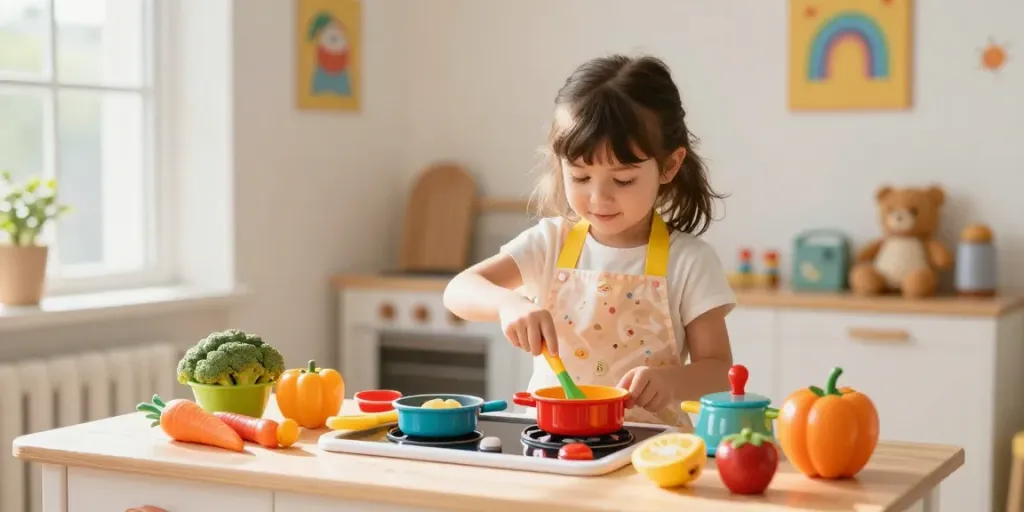
Understanding the Benefits of a Kids Kitchen
In today’s fast-paced world, fostering creativity and imagination in children is more important than ever. One of the most effective ways to achieve this is through interactive play, particularly with kids kitchen sets. These toy kitchens provide a platform for children to engage in imaginative scenarios, mimicking real-life cooking experiences. The benefits of a kids kitchen extend far beyond simple entertainment; they are essential tools for holistic development in young children.
How Does a Kids Kitchen Foster Imagination?
Kids kitchens are often designed to stimulate imaginative play. They allow children to take on roles as chefs, restaurant owners, or family members cooking dinner. This role-playing is crucial for developing creativity as it encourages children to create their own narratives and scenarios. They can experiment with different cooking styles and even incorporate stories from their favourite cartoons or family meals, making each play session unique.
What Skills Can Children Develop with Pretend Play?
Pretend play is vital for cognitive development. Through the use of a kids kitchen, children can enhance several skills:
- Problem Solving: As children navigate various play scenarios, they encounter challenges that require quick thinking and creativity to resolve.
- Fine Motor Skills: Manipulating kitchen tools and food items helps in developing hand-eye coordination and dexterity.
- Language Skills: Engaging in pretend cooking fosters language development as children describe their activities and engage in conversations with peers.
- Social Skills: When playing together, children learn to share, negotiate, and cooperate.
Why Are Kids Kitchens Ideal for Social Interaction?
Kids kitchens are perfect for social interaction as they create an environment where children can gather and play together. This group play promotes essential social skills such as teamwork, communication, and empathy. As they play, kids can negotiate roles, share resources, and collaborate to create meals, which mirrors real-life social interactions. This kind of play is not only enjoyable but vital for their emotional development.
Types of Kids Kitchens Available in 2026
The market for kids kitchens has expanded significantly, providing a variety of options to suit different age groups, preferences, and spaces. In 2026, you'll find an array of styles that cater to the needs of both children and parents.
What Are the Differences Between Wooden and Plastic Kids Kitchens?
When choosing a kids kitchen, one of the primary considerations is material. Wooden kitchens tend to be more durable and offer a classic aesthetic that can blend seamlessly into home décor. They are often heavier and more stable, which can make them safer for younger children. On the other hand, plastic kitchens are lightweight, portable, and usually less expensive, making them accessible for families on a budget. Both types come with diverse features, from realistic sounds to interactive elements, ensuring there’s something for every child’s play style.
How Do Accessories Enhance the Kids Kitchen Experience?
Accessories play a pivotal role in enriching the experience of using a kids kitchen. From play food sets to cooking utensils, these items can enhance imaginative play by allowing children to create more elaborate scenarios. Accessories also promote learning about nutrition and cooking principles, adding an educational layer to playtime.
What Size Kids Kitchen Is Right for Your Space?
When selecting a kids kitchen, it’s essential to consider the available space in your home. Manufacturers now offer various sizes, from compact kitchens suitable for smaller play areas to large, elaborate setups perfect for spacious playrooms. A well-chosen kitchen will not only fit your space but also provide a safe, comfortable play area for your child.
Choosing the Right Features for Your Kids Kitchen
To maximise the play value and safety of a kids kitchen, it's important to select features that suit your child's age and developmental stage. The right kitchen can make all the difference in enhancing your child’s play experience.
Which Interactive Elements Are Most Engaging?
Interactive elements, such as lights, sounds, and movable parts, significantly enhance engagement levels. Kitchens equipped with these features can simulate real cooking experiences, providing auditory and visual stimuli that captivate children's attention and encourage a more immersive play session.
How Important Are Safety Features in Kids Kitchens?
Safety is a top priority when it comes to children's toys. Look for kitchens made from non-toxic materials, with rounded edges and sturdy construction to prevent tipping. Kitchens with safe, functional parts can provide peace of mind while ensuring that play remains safe and enjoyable.
What Role Does Realism Play in a Kids Kitchen?
Many children are drawn to kitchens that mimic real-life appliances and accessories. The addition of realistic features, such as pretend food that looks and feels authentic or kitchen gadgets that resemble real ones, can enhance pretend play. This realism encourages children to replicate cooking experiences mimicking adults, adding an educational aspect to play.
Best Practices for Setting Up a Kids Kitchen
Setting up a kids kitchen requires thoughtful planning to create a safe and inviting play area where children can thrive. Here are best practices to keep in mind.
How to Create a Safe and Inviting Play Area?
Begin by designating a specific area in your home for the kids kitchen. Ensure that the space is free from hazards, and consider placing the kitchen on a non-slip surface to prevent accidents. Organising accessories in storage bins or shelves can help keep the area tidy and accessible, encouraging independent play.
What Educational Toys Can Complement Your Kids Kitchen?
Incorporating educational toys alongside the kids kitchen can enhance learning outcomes. Items such as number or letter puzzles related to food themes, or cooking books for children, can further the educational aspects of pretend cooking. These toys not only complement the kitchen but also extend the play experience beyond cooking.
How to Encourage Co-operative Play with a Kids Kitchen?
To foster cooperative play, involve multiple children during playtime. Set up scenarios that require teamwork, like preparing a meal for a imaginary dinner party. Encourage sharing of kitchen tools and food items to promote collaboration. This not only enhances social skills but also improves communication and negotiation abilities.
Future Trends in Kids Kitchens
The landscape of kids kitchens is constantly evolving. As technology and design trends grow, so too do the possibilities for innovative play experiences.
What Innovations Are Emerging for Kids Kitchen Designs?
Emerging trends include interactive digital elements, such as apps that connect with the kitchen to guide cooking scenarios or offer recipes. Other innovations focus on modular designs that can grow with the child, providing a versatile play experience over time. These advancements help maintain the relevance and engaging nature of kids kitchens.
How Are Eco-Friendly Materials Impacting Kids Kitchens?
With an increasing focus on sustainability, many manufacturers are now producing kids kitchens from eco-friendly materials. These products not only reduce environmental impact but also promote a message of social responsibility to young children. Parents can feel confident that they are choosing toys that are safe for both their child and the planet.
What Are the Predictions for Kids Kitchen Popularity in 2026?
As we look ahead to 2026, kids kitchens are expected to remain a staple in children’s play. Their ability to foster creativity, learning, and social interaction ensures they will continue to be sought after. With the addition of new technologies and designs that cater to growing environmental concerns, the future of kids kitchens looks promising and exciting.
What is the best kitchen for kids?
The best kitchen for kids ultimately depends on the child's age, interests, and available space. Parents should consider kitchens that offer interactive features and are made of safe materials, ensuring a fun and educational experience.
What age to get rid of kids kitchen?
Most children transition away from their kids kitchen by age 8 or 9. However, it depends on individual interests. Some children may continue to enjoy imaginative play well into their pre-teens, especially when combined with other creative activities.
How much does a kitchen set for kids cost?
Prices for kids kitchen sets can vary widely based on size, material, and features. On average, expect to spend anywhere from £50 for basic plastic models to over £300 for high-end wooden kitchens with interactive elements.
Where can you buy kids kitchens?
Kids kitchens can be purchased at various retailers, both online and in-store. Popular options include specialty toy stores, large retailers like Amazon, and dedicated children's furniture shops.
What accessories enhance play in a kids kitchen?
Accessories such as play food sets, cooking utensils, and themed aprons can significantly enhance the play experience. These items allow children to engage more fully in their pretend cooking scenarios, making playtime richer and more enjoyable.